
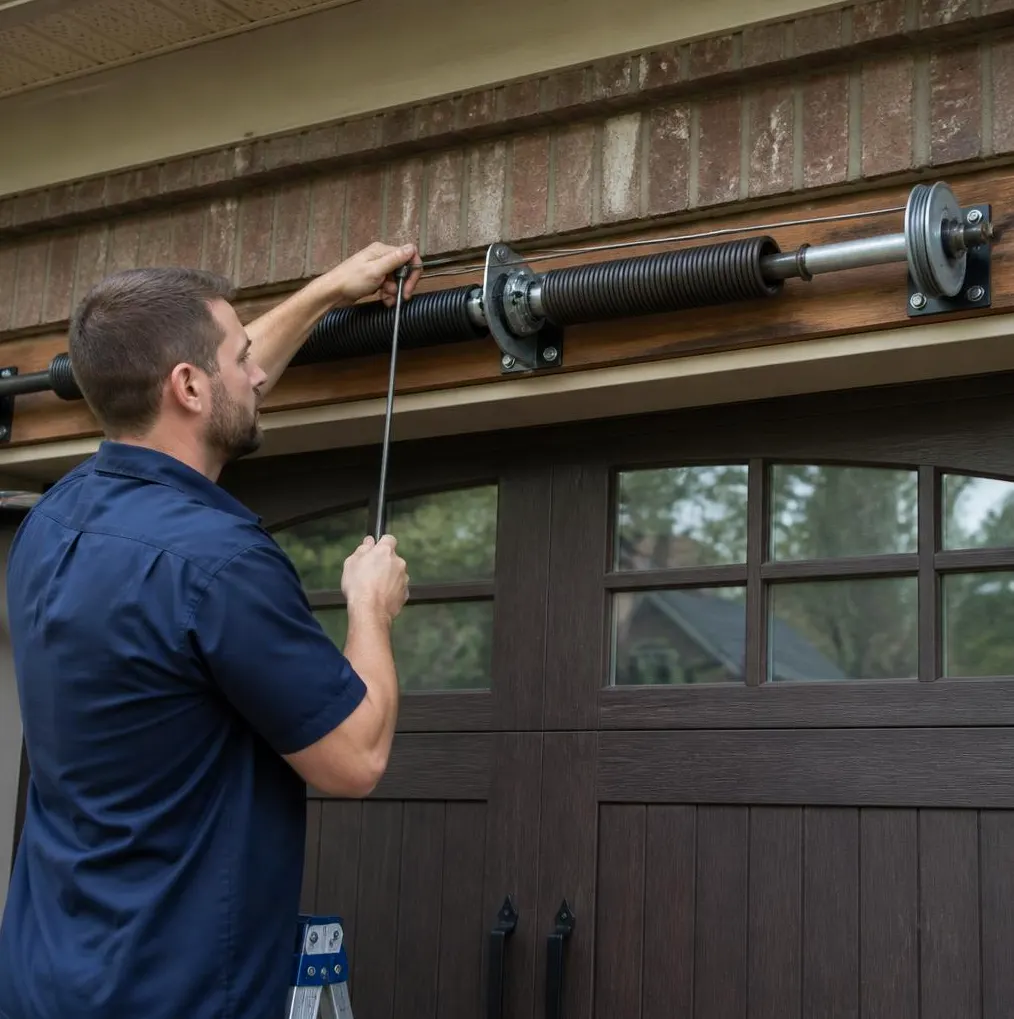
The Mistake: Checking Only the Bottom Seal
Here's what usually happens. The power bill comes in higher than expected, someone says "it's the garage door," and the other person walks out, looks at the bottom of the door, sees the rubber seal still touching the concrete, and declares the case closed. The garage door looks fine, so it gets ruled out.
It's a tempting move because the bottom seal is the only part of the door most people ever think about — it's at eye level, it's easy to check, and if it's touching the floor, it feels like the job is done. But the bottom seal is only one of at least four places a garage door can leak air, and in a lot of houses it's not even the worst offender.
Why an Attached Garage Isn't "Outside" to Your HVAC Bill
If the garage were a detached building sitting in the yard, none of this would matter much. But in an attached garage, that space shares at least one wall with the conditioned part of the house — and often shares more than that. Common setups that make the connection worse:
- A bedroom, bonus room, or home office built above the garage, with only a floor and some insulation between it and a space that isn't climate controlled
- Ductwork that runs through the garage or the attic space above it on its way to another part of the house
- A man-door or interior door connecting the garage straight to a hallway, laundry room, or kitchen
When the garage runs 15–20 degrees hotter or colder than the rest of the house, that temperature difference pushes against every one of those shared surfaces. Your HVAC system ends up fighting a losing battle against a space that's basically acting like an oven or a cooler attached to your living area. The leakier the garage door, the harder the garage works against your thermostat — and the higher the bill climbs, even though nobody touched the setting.
What's Actually Letting Air In (It's Rarely the Bottom)
The real leak points are usually one or more of these:
- Side and top weatherstripping that's cracked, brittle, or pulled away from the frame — this rubber takes a beating from UV exposure and dries out faster than people expect
- Gaps between panels on an older sectional door, especially if the door has been bumped or is slightly out of alignment
- A warped panel, which happens more often than people realize on doors that have taken direct sun for years
- Non-insulated windows set into the door panels, which can be single-pane glass with almost no barrier against heat or cold
- A steel door with no insulation layer at all — thin single-skin doors transfer outside temperature almost directly into the garage air
- A door that doesn't fully close because of a misaligned track or a sensor issue, leaving a gap you might not notice from across the garage
Any one of these turns the garage into a direct pipeline for outside air, and none of them show up when you only glance at the bottom seal.
The Oklahoma Weather Factor
This part of the state is hard on garage doors in a specific way. Long, intense summer heat dries out and cracks rubber weatherstripping faster than it would in a milder climate — by fall, seals that looked fine in spring can be brittle and gapping. Add in sudden severe storms, wind-driven dust, and hail that can dent panels or knock a door slightly out of true, and you've got a door that's degrading on more fronts than just age.
Heading into the cooler months now is actually the right time to deal with this. Summer cooling costs already took the hit from a leaky door; a poorly sealed garage door in winter lets cold air settle into that shared wall and any room above the garage, making the furnace work overtime on the coldest mornings — including the occasional ice events that do show up in Oklahoma winters.
Quick Checks Before You Call Anyone
- Daylight test: Close the door, turn off the garage lights, and look for any light coming through around the edges or between panels.
- Dollar bill test: Close the door on a dollar bill at a few points along the frame. If it pulls out without resistance, the seal there isn't making real contact.
- Hand test: On a windy day, run your hand slowly along the inside edges of the door. Moving air means a gap.
- Look at the rubber: Cracked, flattened, or shrunken weatherstripping needs replacing — it's a cheap fix compared to the energy it's costing you.
If these checks turn up gaps, the fix might be as simple as new weatherstripping. If the door itself is older, thin steel with no insulation, the bigger-picture question becomes whether it's worth insulating or replacing — insulated doors carry an R-value rating and genuinely cut down on how much the garage temperature swings, which matters a lot if there's living space above or next to it.
When to Call Norman Garage Door
If the daylight and dollar bill tests show real gaps, or the door looks fine but the garage still runs noticeably hot or cold, it's worth having it looked at before guessing with caulk and foam tape. Our Garage Door Maintenance service covers a full inspection of seals, alignment, and panel condition, and catches the small issues — a slightly bowed panel, a seal that's pulled loose, a door that isn't closing flush — before they turn into a bigger energy drain or a bigger repair. If the door itself is past the point of patching, our Garage Door Installation team can walk you through insulated options that make sense for an attached garage in this climate.
If you're in Norman, Moore, Noble, Blanchard, Newcastle, Purcell, Goldsby, or Lexington and you're ready to settle the argument for good, call Norman Garage Door and we'll find out exactly where your door is leaking — and what it's worth fixing first.